
The best kit for a job is one you understand and maintain. Towel weave, size and intended use matter alongside GSM. Brush reach and connector compatibility matter alongside a product photograph. Start with the tasks you perform regularly.
Give every tool a role. Separate wheel contamination from paint, reserve clean towels for glass and keep freshly cleaned media protected in storage. Good organization reduces avoidable mistakes at the next wash.
Buy for a defined task
A useful tool has a clear role in the routine and is compatible with the equipment around it. Compare reach, connections, handling, care and storage. A headline number such as GSM or motor input cannot describe the whole experience of using it on a particular vehicle.
Include the work after the work
Towels need sorting, washing and clean storage. Brushes need inspection, and powered equipment needs its maintenance instructions followed. Start with a manageable kit that keeps contaminated tasks separate, then add equipment when it solves a problem you can identify.
The checks worth making
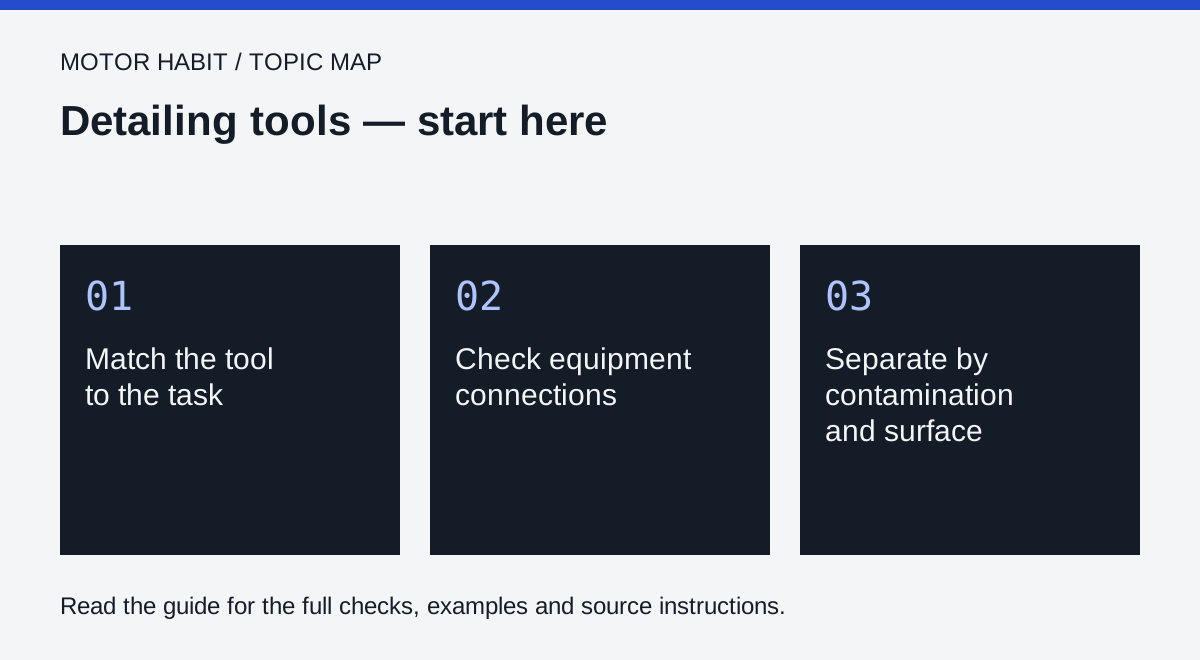
- Match the tool to the task
- Check equipment connections
- Separate by contamination and surface
- Include cleaning and storage in the routine
Turn the reading into a decision.
Use your own inputs and keep the stated assumptions with the result.
Open the related tool ↗